Painting Cost Guide
What Affects the Cost of a Paint Job?
Every home and building is different, so we price from an on-site inspection rather than a rate card. Here's what moves the number up or down.
The biggest cost factors
Size and surfaces
Square footage, ceiling heights, and how much trim, doors, siding and soffit there is.
Prep work
Peeling, cracked caulk, nail holes, fading and patchwork all take time to fix properly before painting. On older wood homes, prep is often the biggest part of the job.
Number of coats
Our extended option adds a second coat. It costs 30% more and should last 7–10 years instead of 5–7, with a 5-year warranty instead of 2.
Access
Two-story exteriors, steep lots, lake homes and occupied commercial spaces need more setup and scheduling.
Materials
Quality paint and caulk cost more up front and less over the life of the job. Our written agreement lists the products we'll use.
Color changes
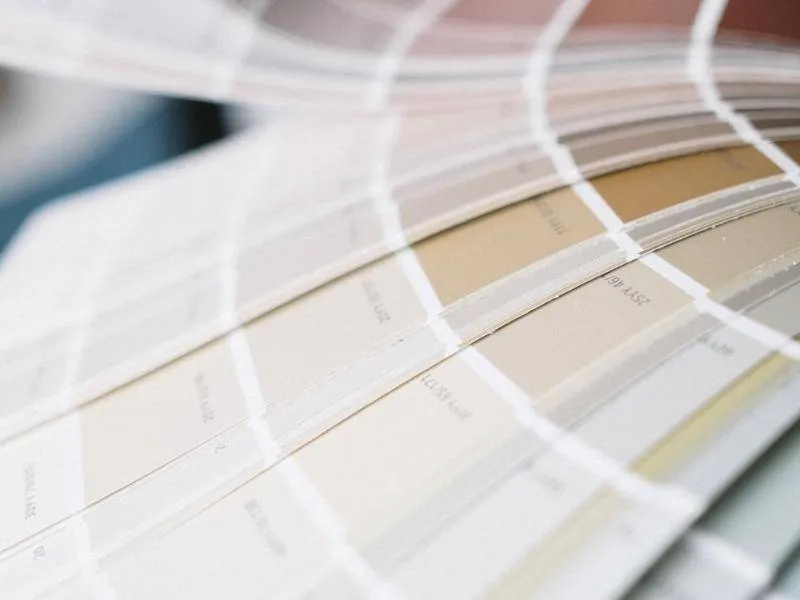
Going from dark to light, or a big color change, can need extra coats or primer.
Ways to keep costs down
- Move furniture to the center of rooms and clear the walls before we arrive.
- Bundle rooms or the whole exterior into one project instead of touch-ups. Touch-ups without a full project are outside our scope.
- Repaint before failure. Catching fading and cracked caulk early avoids wood repair later.
- Ask about our Refer a Friend program: referrals get 5% off.
Our post on affordable painting tips has more ideas.